30.9.05

Troglóbios vencem batalha contra construção de supermercado


"Interessante caso jurídico ocorrido no Estado do Texas, Estados Unidos, a lei que protege animais ameaçados de extinção foi considerada prioritária em relação às leis que regem o comércio. O caso se iniciou em 1983, quando o Dr. Fred Purcell e seu irmão adquiriram uma propriedade em uma área com elevado potencial de crescimento imobiliário, tanto no âmbito residencial quanto comercial. Na área, onde os irmãos instalaram toda a infra-estrutura básica de eletricidade, esgoto, etc., foi constatada a existência de várias grutas. Alguns anos mais tarde o órgão ambiental americano declarou que seis espécies de invertebrados cavernícolas endêmicos, encontrados somente nas cavernas da região, estavam ameaçadas de extinção, o que lhes garantiria proteção por uma legislação específica.
Após doar parte da propriedade para proteção ambiental, os irmãos planejaram utilizar a área restante para a construção de uma unidade da rede Wal-Mart de supermercados, desafiando a lei ambiental, muito embora essa iniciativa acompanhasse os interesses econômicos e a legislação comercial daquele Estado. O caso chegou à Suprema Corte americana que deu ganho de causa aos animais cavernícolas, sendo suspensa a construção do supermercado."
In: Conexão Subterrânea
Número 25, 30 de setembro de 2005

Moradores da Infante Santo querem demonstrar existência de grutas paleolíticas

Moradores da Avenida Infante Santo, Lisboa, admitem contratar um investigador para comprovar a existência de grutas paleolíticas no local onde está a ser construído um condomínio, apesar de o Instituto Português de Arqueologia negar a presença daquele património.
(...)
A alegada existência do conjunto de grutas, denominadas Cova da Onça e Cova da Moura, consta de um artigo do arqueólogo Eugénio Jalhay, de Afonso do Paço e Leonel Ribeiro publicado numa revista da Câmara de Lisboa em 1945.
(...)
Notícia RTP informação: Click here

29.9.05

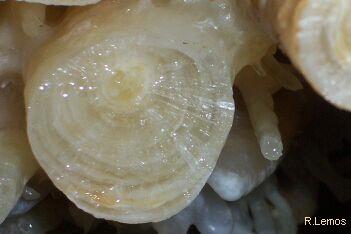
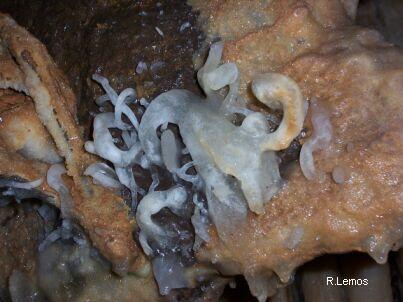
TREMAGMITAS novas teorias sobre a sua génese

Consulte o artigo: Click here

MOONMILCH, DE LA SIMA MINA DE ALZOLA


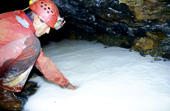
"La presencia de un río subterráneo de mondmilch en estado liquido, en el interior de la Sima-Mina de Alzola, fue dada a conocer en 2.003, junto con el análisis de toda una serie de espeleotemas inusuales en cuevas en caliza (Galán, 2003ª, 2003b; Galán y Leroy, 2003), donde fueron identificadas por defracción de rayos x (DRX) combinaciones de hasta siete minerales secundarios (calcita, goethita, cuarzo, yeso, mica-illita, chamosita y brucita). Sin embargo, las muestras del río de mondmilch, constituido por partículas extremadamente finas, no eran susceptibles de ser identificadas con ésta técnica. Los difractogramas indicaban una sustancia amorfa (criptocristalina) mayoritaria, con pequeñas cantidades de lo que probablemente pudiera ser yeso y/o brucita. Pero se desconocía lo esencial de su composición. "
Fotos de: Carlos Galán
Consulte o artigo de CARLOS GALAN Y ERIC LEROY em Cota Cero: Click here

LAMPRECHTSOFEN

A segunda mais profunda do mundo.
Situa-se no maciço de Leoganger Steinberge, nas montanhas cársicas do norte da Áustria.


Explorações Polacas realizaram 24 anos de expedições para este maciço:

1979, alcançou-se a cota de –1. 022 metros,

1990, ligaram Lamprechtsofen a Cueva N-132, Convertendo-a na mais profunda do mundo -1.484 metros,

10/08/1995, ligaram o algar Vogelschacht à Lamprechtsofen, alcançando a profundidad de –1.532 metros,

19/08/1998, Lamprechtsofen converteu-se na gruta mais profunda do mundo devido à ligação com a gruta Pl-2

Actualmente, a profundidade da gruta situa-se nos -1.632 metros, sendo apenas derrotada pela Krubera na Geórgia.


Consulte o artigo de ANDRZEI CISZEWSKI, em Cota Cero: Click here

28.9.05

Kaua'i cave tells 10,000-year tale

The Makauwahi Sinkhole, the largest limestone cave complex in the Hawaiian Islands, is yielding an unprecedented look into Hawai'i's history, with a record of life that dates back 10,000 years.

From Honolulu advertiser: Click here

Second Turkish-bulgarian Expedition

The Second Turkish-Bulgarian Expedition it Taurus Mt.,Tashelli plateau ,Turkey
(Brief Information)


From 19 July to 4 Augist 2005, was held the second Turkish-Bulgarian speleological expedition in Taurus Mt. organised by speleo club BUMAK - Istanbul. This expedition was a logical continuation of the mutual work of the Bulgarian and Turkish cavers for the exploration of the deepest abyss in Turkey and Asia (EGMA - 1429 m) in the past 2004. The Bulgarian team consisted of 5 cavers from diferent clubs under the flag of Bulgarian Federation of Speleology and were led by Teodor Kisimov. The Turkish cavers were 11 all from BUMAK and leaded by Senjer Dzholtu.
The two teams gathered in Istanbul on 19 July, where they bought the necessary food and prepared the expedition gear.
Then the united team traveled by bus to the town of Gazi Pasa – an administrative centre of the province with the same name. On 20 July the expedition settled its base camp in the south-west part of the plateau Tashelli and the same nigh the cavers went into the cave Sadjak. The expedition worked here 9 days and managed to make a surface exploration on a vast part of the karst plateau by a car and by foot. There were checked over 20 objects and were explored and mapped 11 caves with totall length more than 4 km., as follows:

Cave Sadjak – explored 2125 m, depth - 179 m. The cave has huge entrance in a shape of rock triangle with height 30 m at the end of a valley, several kilometers long. Inside there are horizontal and inclined passages with many lakes and one vertical part of about 50 m height.

Cave Kosurelik ( Majar) - explored 519 m, depth - 215 m. In the entrance of the abyss flows a 4 m wide river. The catchn ent is big and here is expected to be discovered a big cave. There are three verticals and between the second two is situated a meander. Few more verticals follow. The cave is discovered before the last day of the expedition and is situated too far from the base camp. Because of the time pressure, enough ropes, etc., the explorers couldn’t reach the end of the abyss and stop the research ahead of a vertical with presumed depth 25-30 m.

Cave Jaradzik - explored 330 m, denivelation - 40 m.

Cave Tozliuurt – explored 162 m, depth - 59 m;

Cave Sukurudlu 1 – here are explored the newly discovered bottom parts – length 293 m, denivelation - 67 m. The presumed general denivelation reaches about - 300 m;
Cave Sukurudlu 2 - explored about 30 m, denivelation - 20 m;
Cave Sukurudlu 3 - explored 339 m, depth -170 m;

Cave Kara delik – length 93 m, depth +7 m;
Cave Ekinchal – explored length about 300 m; in the cave can be entered by passing a half-sump in the beginning of the entrance gallery. After that follows low water-walking passage 30 m long.
Cave Snega - explored 65 m galleries, depth -25 m;
The Goat’s cave - length 41 m;

The report of the fully explored caves from the cavers of BUMAK is in process of compiling.
The caves Sadjak, Madjar, Sukurudlu 2, Sukurudlu 3, Tozlyuurt, Jaradzik, Kara delik, Goat’s cave, Snega are explored on terrain with the help of software OnStantion. The GPS-coordinates of all explored objects are taken and the caves are situated on a topographic map 1:25000.
When returning to Istanbul, members of the expedition meet the leaders of the Ukrainian expedition "Aladagar-2005" A. Klimchuk and Y. Kasian. On this meeting was exchanged information about the results of the two expeditions and also were discussed matters, related to the forthcoming Ukrainian-Bulgarian expedition in the deepest abyss of the world Kruber.
The next 2006, the Turkish and Bulgarian cavers intend to continue their joint explorations in Taurus.

Alexey Zhalov
alex@speleo-bg.com
From: www.speleomania.com

27.9.05

Concreções do subsolo Português II


Estimation of cave Volume from air injection

By Morris HallKarst Research and Technology Center Click here

25.9.05

Caves come first

WE HAVE OUR CODE OF HONOR:

CAVE COMES FIRST!


Consultem a apresentação em Power Point,
Algumas regras, dicas, conselhos, sobre conservação de grutas:
Click here

RESUMEN DE LOS PRINCIPALES ACCIDENTES MORTALES DE ESPELEOBUCEO ACAECIDOS EN ESPAÑA

RECOMENDACIONES PARA LA PRÁCTICA DEL ESPELEOBUCEO

La práctica del espeleobuceo está considerada, aún en las circunstancias más favorables, como una actividad de MÁXIMO RIESGO y en ninguna cavidad estamos libres de quedar atrapados o de sufrir un percance.

Partiendo de esta premisa, cuando acometamos la exploración de sifones, debemos partir siempre de un elemento vital: LA SEGURIDAD (...)


Por: FIDEL MOLINERO DEL CLUB BATHYNELLIDAE Click here

XV JORNADAS ISABA


XV JORNADAS ISABA (Navarra)

7-8 y 9 de octubre de 2005

KARST DE LARRA"Sala de La Verna"

Organization: SEDECK Click here

24.9.05

New 'Hobbit' disease link claim

The researchers say their findings strongly support an idea that the 1m- (3ft-) tall female skeleton from Indonesia is a diseased modern human.
(...)
The bones were unearthed during a dig at Liang Bua, a limestone cave deep in the Flores jungle. The discovery caused a sensation when it was announced to the world in 2004.

BBC News: Click here

23.9.05

A água


"A água é o inimigo mortal do espeleólogo.

Quando este entra numa gruta em que há água deve redobrar de cuidados."

(M. Bouillon)

RESCON 2005 -THE SAFETY POINT

INTERNATIONAL CAVE
RESCUE CONFERENCE


Conference Organiser: GOPR (Volunteer Mountain Rescue Service) Headquarters,
Cave and Technical Rescue Subcommittee of GOPR Training Committee.

Conference Manager: Mr Tadeusz Widomski

Conference Secretary: Mr Jarosław Gutek

Date: 19th – 25th September 2005

Venue: MORSKO recreation centre in Morsko


Oficial Site: Click here

22.9.05

7-km cave discovered in Socotra Island

A team of Yemeni and foreign archeologists have discovered a cave of over seven kms in depth. The great and interesting discovery is the second of the kind on the Island, the first being discovered one year ago but is less in depth. Both caves are believed to contain many curious secrets about the history of the Isle.

Article in Yemen Times: Click here

Karst Horizons


15th InternationalCongress of Speleology
Kerrville, Texas USA 2009


Oficial Site: http://www.ics2009.us/

Snowy River

DOWN UNDER Cavers explore splendors of Snowy River


Article in free New Mexican: Click here

FTP servers to download free caving related software

For Windows (or Dos) operating system:

ftp://insl1.etec.uni-karlsruhe.de/pub/caving/programs/ms-sigh/ - ftp://ftp.wizvax.net/pub/personal/victorf/
ftp://element.ess.ucla.edu/

For Unix (or Linux) operating system:

ftp://insl1.etec.uni-karlsruhe.de/pub/caving/programs/unix/


From zenas.gr

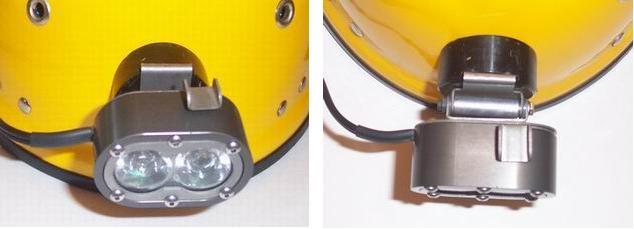
StenLight


StenLight - Advanced Lighting Products

Considerada uma das melhores lâmapadas de LED para Espeleologia.

"The StenLight S7 is a high powered LED lamp designed especially for the hostile caving environment. Mud, water, and shock-resistant, the S7 was designed by cavers to address the shortcomings of conventional cave lamps."

Site oficial: Click here

21.9.05

Implication for U-series dating

High-resolution mapping of uranium and other trace elements in recrystallized aragonite–calcite speleothems from caves in the Pyrenees (France): Implication for U-series dating

R. Ortega, R. Maire, G. Devès & Y Quinif

Aragonite and calcite speleothems were sampled in the cave of Pierre Saint-Martin (Pyrénées-Atlantiques, France). These speleothems contain significant amounts of uranium and strontium, which were measured spatially and chemically by nuclear microprobe analysis. (...) Earth and Planetary Science Letters Volume 237, Issues 3-4 , 15 September 2005, Pages 911-923


Abstract: Click here

Concreções do subsolo Português


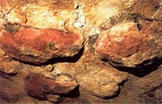
The Altamira Cave: The Sistine Chapel of Palaeolithic Art


Proof of the habitation is the abundant stone material and the organic remains dated with the C14-dating.
The Altamira Cave consists of a series of rooms and passages shaped like a S. The main hall lies about 30m from the entrance and measures about 18 by 9m.
The world famous feature of this cave is found on the ceiling: coloured paintings, mainly from the beginning of the Magdalenian period, about 15.000 years ago.
News in eitb24: Click here

20.9.05

Constituição da República Portuguesa


V REVISÃO CONSTITUCIONAL
Artigo 84.º

(Domínio público)


1. Pertencem ao domínio público:

a) As águas territoriais com os seus leitos e os fundos marinhos contíguos, bem como os lagos, lagoas e cursos de água navegáveis ou flutuáveis, com os respectivos leitos;


b) As camadas aéreas superiores ao território acima do limite reconhecido ao proprietário ou superficiário;

c) Os jazigos minerais, as nascentes de águas mineromedicinais, as cavidades naturais subterrâneas existentes no subsolo, com excepção das rochas, terras comuns e outros materiais habitualmente usados na construção;

d) As estradas;

e) As linhas férreas nacionais;

f) Outros bens como tal classificados por lei.


2. A lei define quais os bens que integram o domínio público do Estado, o domínio público das regiões autónomas e o domínio público das autarquias locais, bem como o seu regime, condições de utilização e limites.

19.9.05

Report: SARS link to Chinese bats

WASHINGTON (Reuters) -- Bats found in Hong Kong carry a virus very similar to the severe acute respiratory syndrome or SARS virus and might be able to spread it, Chinese researchers reported on Friday.

They said the horseshoe bats, valued both as food and for their use in Chinese medicine, should be handled with great care.

They might have helped spread the virus among different species of animals, the researchers said. (...)
Full article in CNN: Click here

Portugal

Laboratorio di biologia sotterranea di Verona

Um exemplo de sinergias...

Site oficial: Click here

18.9.05

Hidden Sponges Determine Coral Reef's Nutrient Cycle

Marine organisms hidden in caves, such as sponges, play an extremely important role in the nutrient cycle of coral reefs. Indeed they probably play the most important role of all, says Dutch biologist Sander Scheffers. And that is valuable information for nature conservationists who want to preserve the coral reefs.

Article in Science Daily, Click here

UIS Cave Diving Commission

Report to the closing session of the UIS General Assembly at Athens-Kalamos, August 27, 2005 Click here

17.9.05

Caves and Karst in Southeast Alaska

Forest soils can be very acidic in the cool Alaskan rainforest. As a result, karst features form wherever limestone or marble bedrock is present.


Website: http://www.usd.edu/esci/alaska/caves.html

Down the Tubes in the Shadow of Mount St. Helens

(...)Later eruptions lightly dusted the cave's area with pumice, and then you might have sought refuge in the underground lava tube below. At nearly two-and-a-half half miles, this is the longest such intact tube in the Western Hemisphere. (...)

News: here

16.9.05

Non-optical releasers for aggressive behavior in blind and blinded Astyanax (Teleostei, Characidae)

It was believed that epigean and hypogean Astyanax differ markedly in their display of agonistic behavior. Research suggested that surface-dwelling individuals were extremely aggressive whereas their blind, cave-dwelling counterparts tended to show little or no aggressive behavior. Aggression in Astyanax was thought to be triggered by visual stimuli because surface fish in a dark environment or surface fish blinded late in life did not show aggression. They demonstrate that surface fish blinded early on in their embryonic development are highly aggressive as adults. They also report the first case of a population of blind cave-dwelling Astyanax that is highly aggressive. They conclude that reduced aggression is not the only evolutionary pathway for troglobitic Astyanax and that there is some degree of developmental plasticity in the releaser of aggression and in the selection of its triggering stimuli.
Espinasa, L., Yoshiyuki Yamamoto & Jeffery, W.
Behavioural Processes Volume 70, Issue 2 , 30 September 2005, Pages 144-148
Abstract: Click here

Stone salamanders preserve climate record

Yellowstone Park fossils show subtle effects of temperature.
Fossil hunters in Yellowstone National Park have discovered an unusual way to record the effects of climate change. Specimens from the past 3,000 years suggest that salamanders have grown bigger as the climate has warmed, and may continue to change as temperatures rise and lakes dry up.

During development, tiger salamanders (Ambystoma tigrinum) can metamorphose and head for land rather than staying in the water. And warmer climes have made salamanders on land outgrow their water-based relatives, says Elizabeth Hadly of Stanford University in California. Hadley and her colleagues examined almost 3,000 salamander vertebrae from the park's Lamar Cave in Wyoming.

The researchers, who publish their results in BMC Ecologyclick here, analysed fossils from 15 different layers of rock in Lamar Cave. They dated the deposits and divided them into five time intervals corresponding to five periods with different climates over the past 3,000 years. (...)

Full article:Click here

Female bats keep it in the family


Female bats share mates with relatives, but without close inbreeding.

Sharing the same sexual partner with your mother or grandmother may sound odd, but female greater horseshoe bats (Rhinolophus ferrumequinum) in Britain do it all the time.

This ensures that the bats in the colony are closely related to each other, says Stephen Rossiter at Queen Mary, University of London, lead author of a study appearing this week in Nature1. Researchers believe that such close family ties encourage cooperation, such as food sharing, between colony members.

Scientists from the University of Bristol and Queen Mary in London made the discovery using genetic techniques to construct family trees for the bats.

The bats produce only one offspring each year, so each animal represents the outcome of a separate mating.

Full article: Click here

Abstract: Nature 437, 408-411 (15 September 2005),
Rossiter, S.J. et al, Mate fidelity and intra-lineage polygyny in greater horseshoe bats Click here

15.9.05

Cave diver pulled to surface barely alive

The Tampa woman wasn't breathing and had no pulse, but was revived. She was diving in the infamous Eagle's Nest, where two divers died last year. (...)

News in St. Petersburg Time: Click here

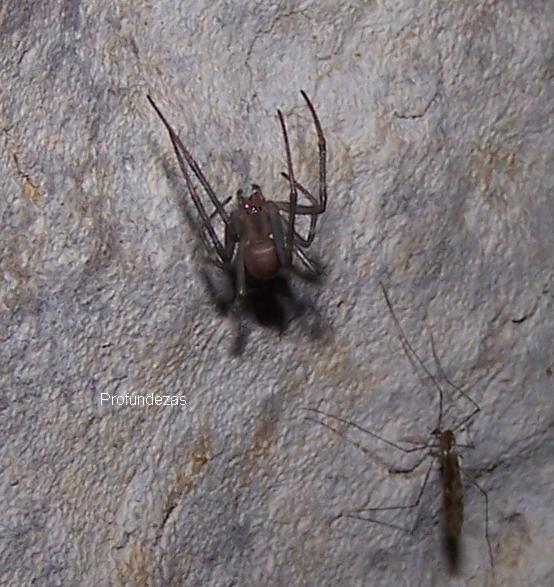
Meta menardii


Aranha comum
na zona de penumbra
de algumas grutas Portuguesas.

Coiled rope strands Takaka cavers

Three experienced cavers were stranded underground for more than 30 hours at Takaka Hill after a rope they had relied on was left coiled out of reach. (...)

News in: Click here

French spelunkers trapped in cave

Lyon, France - Rescue workers were conducting an operation on Monday to save two spelunkers trapped in a cave in eastern France, fire officers said.
The pair were in a party of four which was surprised by a sudden rise in the water level underground while they were exploring a cave system in the Vercors mountain area, south of the city of Grenoble.
Two of the group managed to escape, one of them with injuries, but the other two decided to wait in a grotto above the water line.

Information in www.iol.co.za: Article Click here

13.9.05

Dicas de Segurança para Exploração de Cavernas

Comissão de Segurança e Resgate em Cavernas - Redespeleo Brasil


1. Mais importantes do que equipamentos e técnicas são as atitudes do espeleólogo.

O bom senso e a responsabilidade são fundamentais. Explorar cavernas é uma atividade de risco: Nunca explore uma caverna sozinho, equipes de no mínimo três pessoas são fundamentais para o caso de eventualidades.

Estatísticamente a maioria dos acidentes em cavernas são causados por erros humanos decorrentes de “mal julgamento”, falta de experiência ou descuido/desatenção.

2. A Iluminação é o ítem PRIMORDIAL em relação à segurança em uma caverna. O ideal é ter sempre três fontes confiáveis de iluminação.

À iluminação deve ser dada a maior importancia, mais que a outros equipamentos ou técnicas.

O carbureto e uma lanterna elétrica instalados no capacete, deixando as mãos livres, e uma lanterna adicional que pode ser levada na mochila garantem uma exploração mais segura.


3. Cuidado com o Carbureto. Mantenha o carbureto novo em local estanque e separado do carbureto usado.

Grande parte dos acidentes com carbureto acontece depois de uma troca. Nunca coloque o carbureto usado junto com o novo, pois a umidade do carbureto usado pode ativar o novo. Além disso, normalmente ainda há alguma reação do carbureto usado, o que pode provocar o acúmulo de gás acetileno. Acondicione o carbureto usado em sacos plásticos de maneira que não haja o acúmulo de gás.

Certifique-se que o recipiente de transporte do carbureto novo é realmente estanque.

Apague a chama da lanterna sempre que for manusear o carbureto.


4. Planejamento adequado é essencial

Antes de ir para a cavernas obtenha informações com pessoas que conhecem a caverna e a região. Procure saber a previsão do tempo e se há perigo de enchente na caverna, bem como quais equipamentos são necessários. Confira os equipamentos antes de sair.

5. Deixe sempre alguém avisado sobre a caverna (ou região) a ser visitada, bem como horário previsto para o retorno e eventualmente um horário em que se deveria acionar o socorro.

O aviso deve ser feito a algum parente ou amigo próximo (em alguns casos o pessoal das pousadas) pois estes perceberão o atraso ou ausência do espeleólogo e poderão tomar as providências necessárias.

6. Conheça seus limites e os de sua equipe. Explorar cavernas é uma atividade cansativa, fique atento à condição fisíca de todos na equipe. Não descuide da hidratação e da alimentação.

Conheça seus colegas de equipe e seja sincero com eles em relação a seus conhecimentos.

Muito cuidado com espeleólogos cansados: o ritmo deve ser ditados por eles. A probabilidade de um espeleólogos cansado se acidentar é consideravelmente maior, portanto, deve ser-lhe fornecida toda ajuda possível.

Acidentes são muitas vezes causados por uma série de eventos que desencadeiam uma ocorrência mais grave. A fadiga é um importante catalisador destes eventos.

O esforço físico e a perda de líquidos podem passar despercebidos, principalmente se houver água na caverna. Nesta situação não temos a impressão de que estamos transpirando. Leve consigo alimentos energéticos para repor a energia perdida.

7. Cuidado com hipotermia. Mantenha sempre um cobertor térmico de emergência em seu capacete.

Use roupas adequadas à caverna. Tenha sempre agasalhos (polares, primeiras camadas ) e eventualmente neoprene para algumas cavernas com água.

Em caso de hipotermia mantenha a vítima bem alimentada, hidratada e ativa. Em caso de emergência se envolva em um cobertor térmico de emergência, e sentado com as pernas levantadas e dobradas coloque o carbureto debaixo dos joelhos para se aquecer; muito cuidado com a chama.

8. Invista em conhecimento e aprenda a utilizar os equipamentos e técnicas adequadas às condições das cavernas.

Treinamentos de técnicas de exploração devem ser feitos por espeleólogos experientes e de acordo com as técnicas de espeleologia. Evite utilizar tecnicas de montanhismo ou afins em cavernas uma vez que podem ser inadequadas e trazer riscos adicionais.

Certifique-se da idoneidade dos equipamentos utilizados e somente empreste ou utilize equipamentos de pessoas de sua confiança.

Conhecimentos de auto resgate e primeiros socorros podem se mostrar extremamente úteis em caso de imprevistos.

9. Bóias ou outros equipamentos de flutuação são indispensáveis em cavernas com água.

A maioria dos acidentes fatais no Brasil acontece em cavernas com água. É muito mais dificíl e perigoso nadar com macacão, botas e equipamentos.

10. Em caso de acidente a pessoa que for sair para buscar auxílio deve levar consigo o maior número possível de informações, ainda que isto demore mais alguns minutos.

Tranqüilidade é fundamental. Mesmo numa situação onde tudo parece errado, é importante manter o controle.

Em caso de um acidente (imprevisto) envolvendo ausência de luz, não tente sair no escuro, aguarde socorro!


Conteúdos retirados de: http://www.redespeleo.org.br/

Sistema Espeleológico do Dueça


"O Sistema Espeleológico do Dueça está situado no Maciço Calcário Sicó-Alvaiázere, mais propriamente no concelho de Penela, distrito de Coimbra. Sendo até ao momento o maior e o mais bem estudado sistema subterrâneo do maciço.


Implantação do sistema no terreno.
Crédito: NEC 2003
Este sistema é composto por várias cavidades sendo as principais; o Algar da Várzea, a Gruta do Algarinho, a Gruta do Soprador do Carvalho e o Olho do Dueça. A exploração desta fantástica rede subterrânea foi iniciada em 1992 pelo GAEP (Grupo de Arqueologia e Espeleologia de Pombal), sendo neste momento estudada e explorada pelo Colectivo Dueça, composto por 4 associações, GPS (Grupo Protecção Sicó), CIES (Centro de Investigação e Exploração Subterrânea), NEC (Núcleo de Espeleologia de Condeixa) e SAGA (Sociedade dos Amigos das Grutas e Algares), respectivamente de Pombal, Coimbra, Condeixa e Lisboa." (Texto de: Sérgio Nuno Medeiros, Espeleólogo do GPS)


O Sistema Espeleológico do Dueça desenvolve-se no sector mais setentrional do estreito maciço calcário Castelo do Sobral-Alvaiázere. Juntamente com o maciço de Condeixa-Sicó, e separados por uma complexa zona de fracturação e dobramento, estas duas sub-unidades geomorfológicas de calcários calcomargosos e calcodolomíticos, correspondem às chamadas Serras e Planaltos Calcários de Condeixa-Sicó-Alvaiázere (CUNHA, 1988).
Para mais informações, consulte o artigo do colectivo no
IV Congresso Nacional de Espeleologia, Livro de Actas, páginas: 159-203:

Enquandramento geomorfológico
Localização e enquadramento Geológico
Resumo do historial de exploração
Hidrogeologia e morfologia das cavidades do sistema


Informação na página do NEC, consulte: Sistema Espeleológico do Dueça


12.9.05

1º CAMPEONATO DE ESPAÑA DE ESPELEOLOGÍA DE “PROGRESIÓN VERTICAL”


La Federación Andaluza de Espeleología y la Federación Española de Espeleología invitan a todos los espeleólogos federados a participar en el 1º Campeonato de España de Espeleología de “Progresión Vertical”, en la que será la primera prueba nacional en calendario oficial de esta nueva especialidad de competición deportiva, en un espacio junto al mismo centro de la ciudad de Málaga que a buen seguro constituye un aliciente más para una importante concentración de participantes y una especial atención por parte de los medios de comunicación.
ORGANIZA:
Federación Andaluza de Espeleología

FECHA DE LA COMPETICIÓN:
24 y 25 septiembre de 2005

LOCALIDAD DE CELEBRACIÓN:
Málaga

LUGAR DE CELEBRACIÓN:
Silo del Puerto de Málaga


Informations: Click here

Collembola


Collembola are primitive wingless insects in the subclass Apterygota. They are chiefly soil and/or litter dwellers, and live off the fungi that decompose organic matter. Like other insects, they have three body parts (head, thorax, and abdomen), three pairs of legs, and one pair of antenna. Unlike most insects, they have no wings at any stage. Instead they posses a forked "tail" called a furcula, which enables them to spring out of harm's way.
They are only a few mm long at the most, and rather hard to find. However, they usually occur in large groups and can be observed walking about if the top layer of leaf litter is carefully removed.
Information about this little cave habitants: Click here & here

9.9.05

Os grilos e as cavernas...

"When cave crickets go out for dinner, they really go, researchers say"

(...)Reporting in the journal American Midland Naturalist, a team of researchers led by Steven J. Taylor, an entomologist with the Illinois Natural History Survey and University of Illinois at Urbana-Champaign, reported that the crickets, Ceuthophilus secretus, journey at night in high numbers up to 80 meters from the entrances of central Texas caves. A few crickets traveled up to 105 meters to feed.
Previous research indicated that most crickets stay within 50 meters from their caves. As part of the formula for a buffer zone proposed by the U.S. Fish and Wildlife Service, a range for cricket foraging was recommended. The buffer zone also extends outward to control for the effects of invasive red imported fire ants (Solenopsis invicta Buren). The buffer-zone formula helps to guide where to apply treatment applications against the ants. (...)
Full article, in Biology News: click here

8.9.05

Bosnia's neglected cave seeks U.N. recognition

"Our goal is to prove that Vjetrenica is the world's single richest cave in underground fauna," said research coordinator Jana Bodek of the Croatian Bio-Speleological Association.
(...)
More than 30 underground species have been found exclusively in Vjetrenica, including cave snails, a spider, a shrimp, a worm and the world's only cave hydra, according to the International Society for Subterranean Biology.
"The life in speleological objects, such as caves, is very rare ... and Vjetrenica, with its 86 species, is extremely rich," said Ana Baksic, a Croatian speleologist and member of an international research group at the caves.


Full article: Click here

6.9.05

Extremófilos

Extremófilos são organismos que habitam em condições extremas (fundos de oceano, nascentes hidrotermais, cavernas...)

Fica a sujestão de consulta do site, sobre extremófilos e grutas:
http://www.pbs.org/wgbh/nova/caves/extremophiles.html

Deep Earth Exploration

"Getting to the core of what’s down below is a unique subterranean travel experience that requires superb technology and a team of expert scientists above ground to lead the exploration beneath. (...)"

Full article: Click here

Ancient painting discovered inside Gorham’s Cave


"Archaeologists working deep inside Gorham’s Cave have (Gibraltar) discovered a rare prehistoric painting, that could be up to 13,000 years old, of a deer. To the untrained eye it looks like a series of random scrawls on the cave wall. But with the help of the experts, the outline of an animal crowned with a distinctive set of antlers quickly becomes clearly discernible.
The discovery of the painting follows the previous find of cave art in St Michael’s Cave and highlights the wealth of archaeological remains in Gibraltar.
Alongside the painting, the archaeologists working in Gorham’s Cave have also made important Neanderthal finds during the past two weeks. "What we have now in Gibraltar are eight caves where we know there has been Neanderthal occupation. We also have a number of caves with occupation by modern people, of which at least two have cave art, which is of great heritage value in global terms," said Professor Clive Finlayson, director of the Gibraltar Museum and co-director of the excavation at Gorham’s Cave."

News from: Archaeo News, Full article: Click here

5.9.05

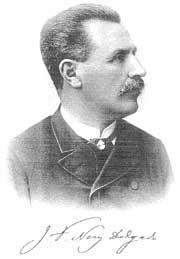
Nery Delgado

"Joaquim Filippe Nery da Encarnação Delgado (1835-1908), está entre os pioneiros da geologia portuguesa, conjuntamente com Carlos Ribeiro. Ambos inauguraram uma tradição de trabalho de campo, até aí quase inexistente no panorama científico da geologia portuguesa, ainda arreigada ao trabalho de gabinete e presa ao espírito coleccionista característico do século XVIII, que privilegiava a mineralogia e a paleontologia, esta última praticada ainda na óptica da história natural. Mercê das suas contribuições científicas, Nery Delgado participou, no plano internacional, dos principais desenvolvimentos da geologia do século XIX. Correspondeu-se intensamente com os mais eminentes especialistas da época e foi membro do Congresso Internacional de Geologia, organização fundada em 1878, com o intuito de normalizar a linguagem verbal e visual da geologia e de superintender à elaboração do mapa geológico da Europa.

Foi membro de várias sociedades científicas, portuguesas e estrangeiras, e galardoado com diversas condecorações nacionais e internacionais.

Na área da arqueologia, os seus trabalhos mais significativos são o estudo das grutas da Cesareda que descreveu em 1867, e da gruta da Furninha, Peniche, em 1880."

In Instituto Camões, Biografia de Nery Delgado: Click here

4.9.05

A Espeleologia como actividade física

Por: Ricardo Moreira*


A Espeleologia é claramente uma actividade física e é sem grandes dificuldades que o afirmamos. Contudo existem fundamentos e características em que se baseia tal afirmação e nos ajudam a perceber da necessidade de uma preparação adequada para o desenrolar das explorações.


Assim podemos verificar que na Espeleologia existe:

- Uma solicitação específica de diferentes grupos musculares, por força das diferentes exigências da actividade espeleológica (técnicas de progressão, utilização de diversas ferramentas e materiais de apoio).

- Uma solicitação metabólica própria, fruto da resposta do nosso organismo às solicitações dos diferentes grupos musculares e das diferentes intensidades que aplicamos no desenrolar de uma visita a uma cavidade (dependendo directamente da duração da expedição, tipo de progressão e condições em que é realizada).


- Um meio muito característico onde se desenrolam as actividades e que dependendo das suas características nos condiciona toda a actividade, influenciando directamente os dois pontos anteriores.

Estes factores justificam por si só, uma atenção cuidada dos aspectos relacionados com a preparação física do espeleólogo para responder às exigências de determinada exploração.
Um espeleólogo deve ser capaz de corresponder às exigências específicas da sua actividade, possuindo um nível de desempenho técnico, físico e metabólico que lhe permitam regressar em segurança à superfície, diminuindo os riscos de acidente.

Assim devemos ter em conta a resistência, capacidade condicional que nos permite a realização de trabalho, durante o maior espaço de tempo possível. Dela depende em muito o sucesso da actividade física.
Durante a actividade de exploração, devemos ser capazes de recorrer ao uso da força, velocidade e resistência e flexibilidade, optimizando cada gesto, para que a nossa energia seja dispendida apenas na quantidade necessária, de modo a conservar algumas reservas, pois tal como numa viagem de carro se apenas dispusermos de combustível para a viagem de ida e volta, corremos o risco de num imprevisto ficar pelo caminho.


Daqui depreende-se não só a necessidade de repor reservas energéticas, mas também a necessidade de treino para a prática da espeleologia.
Quando nos deslocamos descontraidamente por uma cavidade ou realizamos esforços ligeiros, recorremos essencialmente à energia dispensada por via aeróbia, que funciona à base dos nossos lípidos, tendo estes reservas muito grandes e com as quais não temos de nos preocupar de sobremaneira. Já quando efectuamos esforços mais “potentes” e que requeiram mais energia e maior velocidade, dispomos de reservas menores para o fazer e consequentemente de menos tempo, durante o qual conseguimos realizar esse tipo de esforço, visto que os mecanismos anaeróbios (láctico e aláctico) recorrem aos glícidos disponíveis mais rapidamente, mas em menor quantidade.
De modo a optimizar todos estes processos, devemos em primeiro lugar estar preparados, sendo o treino mais indicado a exploração subterrânea, muitas horas de actividade, que é mais específica nas suas solicitações e nos ajuda a melhorar em termos técnicos. Em segundo lugar devemos repor, através de uma alimentação adequada, os níveis energéticos, ingerindo as quantidades próprias de glúcidos, lípidos e prótidos para o tipo de exigências a que somos sujeitos, não esquecendo nunca ingestão regular de água.

Desta forma ajudamos a prevenir a ocorrência de lesões, situações de hipotermia, hipoglicémia e desidratação.
Verificamos pois que a equação do acidente, nos ajuda a sintetizar e perceber, a necessidade da correcta preparação para a Espeleologia como actividade física, assim:

- T= C.A. (srf/tep)

T – Traumatismo Favorecedores: Prevenção:
C – Chance s – Susceptibilidade t – Treino
A – Ambiente r – Risco e – Experiência
f – Falhas pessoais p – Medidas de precaução


Por:
*Prof. Ricardo Moreira
Licenciado em Educação Física, UP

Conteúdos em: Click here

2.9.05

Caving Calender for 2006


The new Caving Calender for 2006 is ready for sale! click here or here.

Lost Sea

Lost Sea, a curiosity that averages 150,000 visitors a year. Click here

1.9.05

É para aprender...

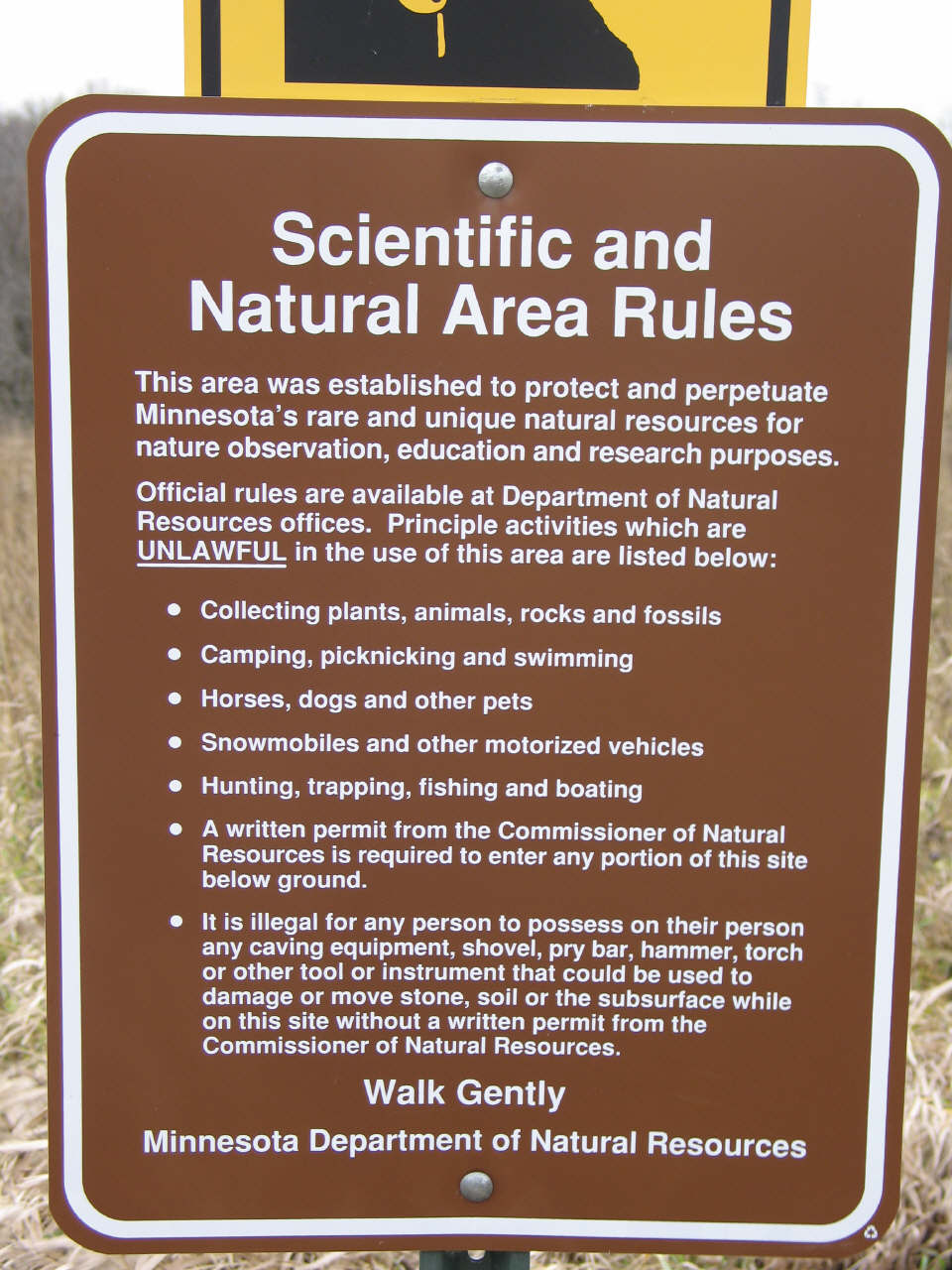
Scientific and Natural Area Rules: Clik here.
Em Portugal vai-se remediando, em vez de se proteger...

Aproveitem para ver as fotos de Goliath's Cave here.